Use permanent vinyl for anything that gets washed, handled a lot or lives outdoors: mugs, tumblers, car windows, mailboxes, outdoor signs. Use removable vinyl for anything you might want to take down cleanly later: wall decals, seasonal window decorations, stencils, labels you’ll change. The two cut and weed almost identically; the difference is the glue.
The table below sorts common surfaces into one column or the other. The practice star, a 3.1 x 2.96 in solid shape made for adhesive vinyl, is a cheap way to feel the difference for yourself: cut one in each type and stick them side by side.

| File | Size | Material | Layers | Check |
|---|---|---|---|---|
| Practice star | 3.12 × 3 in | Vinyl | 1 layer | ✓ Cut-checked |
What actually differs
Both are thin, colored films with adhesive on the back, sold on a paper or plastic liner. Both cut with the same blade on a standard grip mat, and both need transfer tape to move the design from the liner to your surface. The difference is how the adhesive is formulated to behave over time.
Permanent vinyl uses a stronger adhesive meant to hold through water, sun and handling. Cricut describes its Premium Permanent Vinyl as a water-resistant, UV-resistant film with an adhesive that can last for up to 3 years, and lists it as dishwasher friendly when you follow its care instructions.
Removable vinyl uses a gentler adhesive that holds well but is designed to peel off without leaving residue. Cricut says its Premium Removable Vinyl stays removable for up to two years without residue, and its blog calls removable vinyl a renter’s best friend.
Those figures are for Cricut’s own products. Other brands publish their own ratings, so check the label or the maker’s site for the roll you actually have.
Which one for which surface
| Surface or project | Pick | Why |
|---|---|---|
| Mugs, tumblers, glasses | Permanent | They get washed. Removable adhesive isn’t built for water and scrubbing |
| Car windows and bumpers | Permanent | Rain, sun, car washes, temperature swings |
| Mailboxes, outdoor signs, house numbers | Permanent | Outdoor weather. Check the roll is rated for outdoor use |
| Water bottles and lunch boxes | Permanent | Frequent handling and washing |
| Indoor wood signs | Either | Permanent if it’s a gift or will be handled; removable if you want to reuse the board |
| Painted walls | Removable | Comes off later without residue. Permanent can pull paint when removed |
| Seasonal window decorations | Removable | Comes down in January. Window cling is another option |
| Painting stencils | Removable | Lower tack lifts cleanly after painting |
| Pantry and storage labels | Either | Removable if you’ll relabel; permanent on containers that get washed |
| Laptops, planners, phone cases | Removable | You’ll probably change your mind |
| Shirts, totes, any fabric | Neither | Adhesive vinyl doesn’t bond to fabric. Use iron-on (HTV) |
A quick rule when the table doesn’t cover your project: ask whether the item will get wet, go outside or be scrubbed. If yes to any, go permanent. If you might want it gone without a trace, go removable.
“Permanent” isn’t literal. You can usually peel permanent vinyl off a mug or glass with some effort, but expect it to fight, and it may leave adhesive behind. On painted walls or wood finishes it can take paint or finish with it.
Finish, reuse and other films
Finish. Permanent vinyl often comes in a glossy finish (Cricut describes its Premium Permanent Vinyl that way), while many removable vinyls are matte, which cuts glare on walls. That’s a tendency, not a rule. Both types come in matte and gloss from different makers, so don’t use shine to guess which roll you’re holding.
Reuse. Removable means it comes off cleanly, not that you can stick it back up. Cricut’s window cling instructions point out that its vinyl can’t be reused once it’s removed from a surface. Plan to recut seasonal decals each year, or use window cling if you want something to peel off and put back.
Window cling. It isn’t vinyl with weak glue. It holds to smooth glass by cling rather than a sticky adhesive, so it can usually be peeled off and put back. It’s a good fit for holiday windows, and a poor fit for anything that needs to stay put through weather.
Stencil vinyl. Some brands sell a dedicated stencil film. If you don’t have any, removable vinyl is the usual stand-in for painting on wood or fabric because it lifts without taking the paint with it.
Telling the rolls apart
Once rolls lose their packaging, they look identical from the front. A few ways to tell:
- Cricut brand: Cricut’s blog says the liner of its permanent vinyl has green squares printed on the back, and removable has gray.
- Other brands: check the product name printed on the liner or the core. For example, Orafol sells Oracal 651 as a permanent vinyl and Oracal 631 as a removable, matte one.
- Your own system: write “P” or “R” on the inside of the core with a marker the day you open a roll. It saves a lot of guessing later.
Try both with the practice star
This takes about ten minutes and a couple of scraps.
- Upload the star. Unzip the download and upload practice-star.svg. If you haven’t done that before, follow how to upload an SVG to Cricut Design Space. It should come in at 3.1 in wide.
- Cut it twice. Cut the star from a scrap of permanent vinyl, then cut it again from removable, choosing the matching material on the Make screen each time. Mirror stays off for both.
- Weed and apply. Put transfer tape on each, burnish, and apply both to the same clean, dry glass jar or smooth tile.
- Compare. Right away, both feel stuck. Come back after a day or two and peel a point of each star up with a fingernail. The removable one lifts with a steady pull; the permanent one grips harder.
That feel is the whole lesson. After one comparison you’ll know which roll to reach for without checking a chart.
Common mistakes
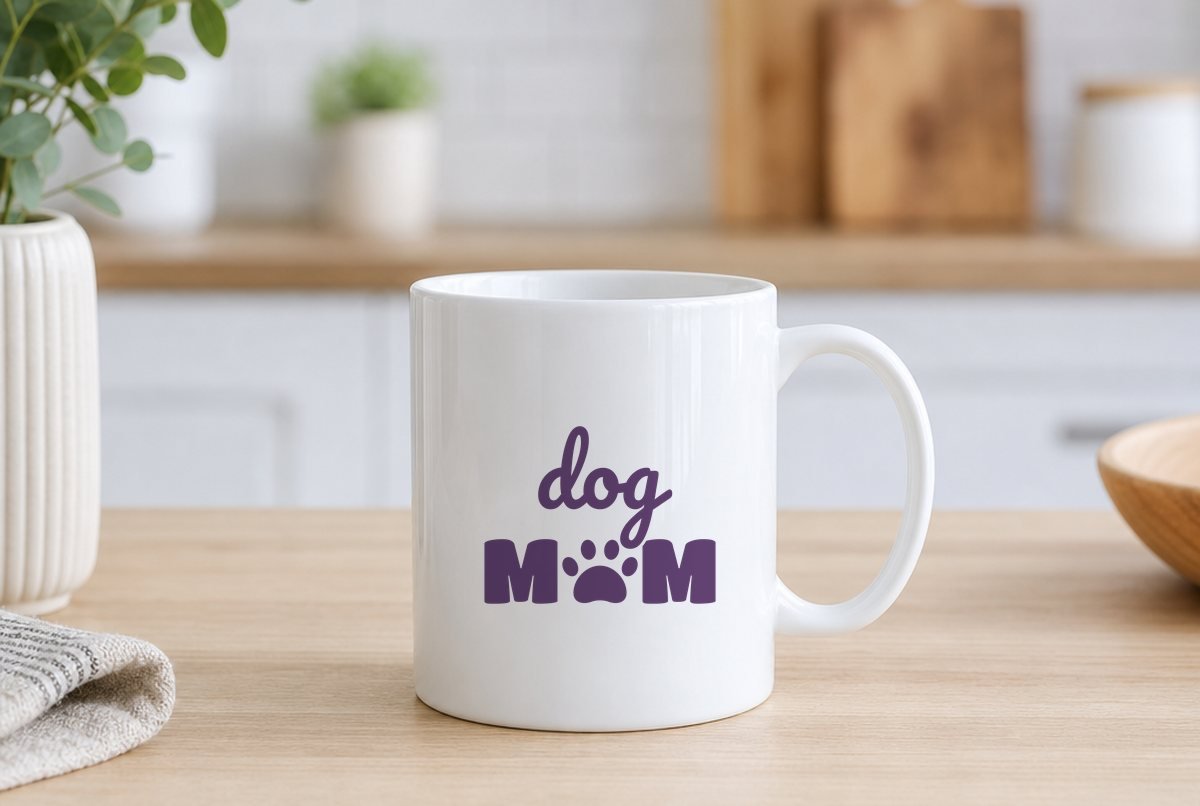
Removable vinyl on a mug. It looks fine on day one. After some washing it can start to lift at the edges. If a mug is going to see a sink or a dishwasher, it needs permanent vinyl applied properly; our guide to putting vinyl on a mug covers the curved-surface part.
Permanent vinyl on a rental wall. The design might stay put for years. The problem shows up when you peel it off and some paint comes with it.
Adhesive vinyl on a shirt. Neither type is made to bond with fabric or survive the washing machine. Fabric needs heat transfer vinyl, which bonds with heat instead of pressure-sensitive glue. See how to make your first shirt with a Cricut.
Blaming the vinyl for a dirty surface. Either type struggles on dust, grease or residue from a price sticker. Clean the surface and let it dry fully first; Cricut suggests rubbing alcohol for plastic and glass.
Textured surfaces. Vinyl grips smooth surfaces best. On rough wood, textured walls or brick, the film only touches the high points, so both types can peel early. Sand wood smooth or seal it first.
Rushing the dishwasher. For permanent vinyl on dishware, Cricut says to wait 24 to 48 hours before the first wash, use the top rack and skip heated drying and sanitize cycles.
What about specialty vinyl?
Glitter, shimmer, holographic, chalkboard and other specialty vinyls are sold as permanent or removable depending on the product, so read the label. The same surface rules apply. The difference that trips people up is transfer tape: textured finishes like glitter and shimmer need a strong grip tape, while regular tape suits smooth vinyl. How to use transfer tape explains which grip goes with which.
For designs meant for one type or the other, the bat window decals are sized for removable vinyl, and the Spooky Season mug design is sized for permanent.
Questions
Is permanent vinyl dishwasher safe?
Cricut lists its Premium and Smart Permanent Vinyl as dishwasher friendly if you wait 24 to 48 hours after applying, use the top rack and avoid heated drying and sanitize cycles. Check the care instructions for other brands.
Can I use removable vinyl outside?
For short-term decorations, sometimes, but permanent vinyl rated for outdoor use is the safer choice for anything exposed to rain and sun for long. Check what the maker of your roll says about outdoor use.
Can I use permanent vinyl on a wall?
You can, but it may pull paint when you remove it. Removable vinyl is designed for walls and comes off cleanly, which makes it the better pick for decals.
Do permanent and removable vinyl use different cut settings?
They’re similar, but pick the setting that matches the exact material you’re cutting on the Make screen, and do a small test cut on a new roll.